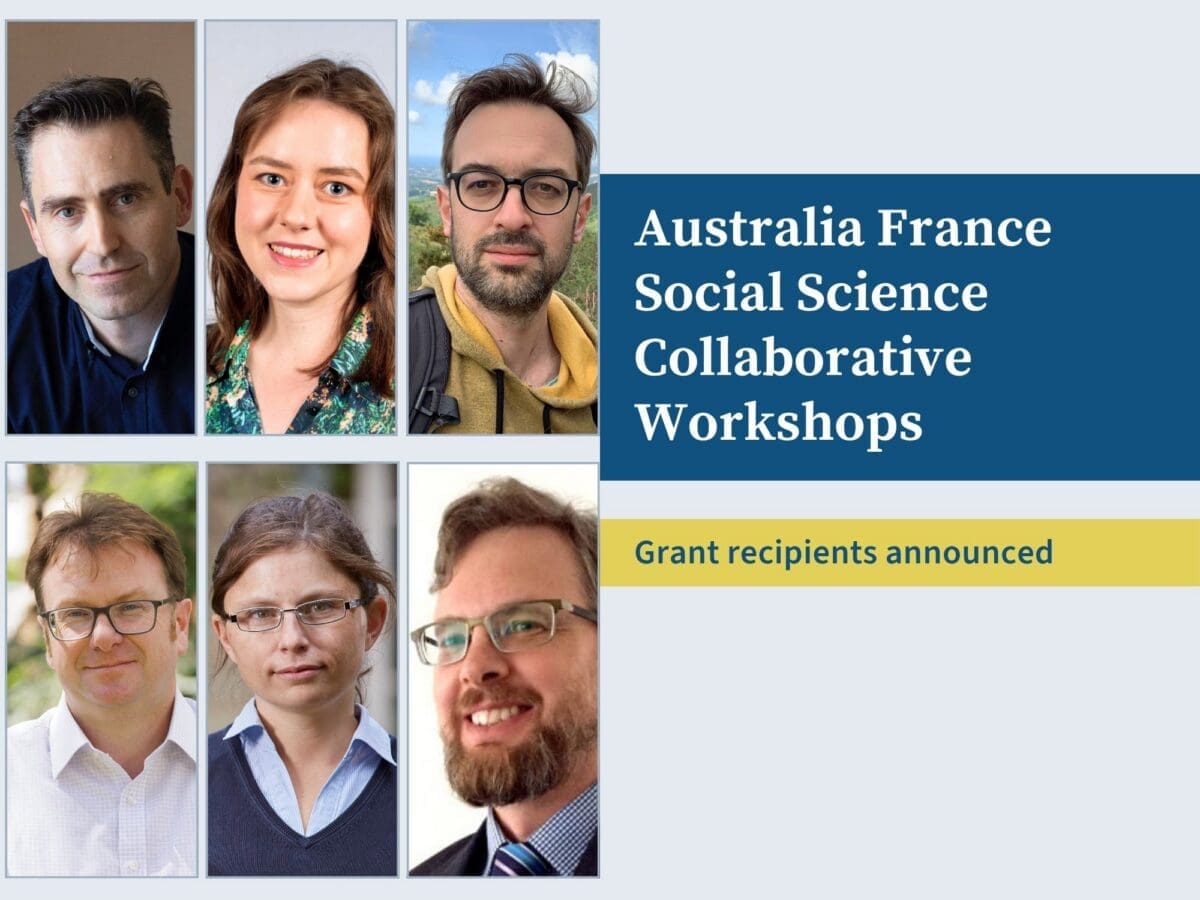
The Academy of the Social Sciences in Australia, jointly with The Embassy of France in Australia, proudly congratulates two convening teams of researchers who have received Australia-France Social Science Collaborative Workshops grants for 2026.
Details of the two research teams and their projects are listed below.
Dependencies, Disruptions, and Futures: Building an Australia-France Alliance on the Social Science of Antibiotics and Antimicrobial Resistance
Convenors:

Alex Broom is Professor of Sociology and Director of the Sydney Centre for Healthy Societies, Faculty of Arts and Social Sciences, The University of Sydney. He is also Academic Director (SBE) at the Australian Research Council,. He is recognised as an international leader in sociology, with a specific interest in health, illness and care. His work takes a person-centred approach, qualitatively exploring the intersections of individual experience and social, political and economic context. His career has been dedicated to building inclusive, interdisciplinary research communities and translating scholarship into meaningful outcomes for policy, industry, and society. All of his work embodies the broad aim of generating insights and creative collaborations which foster health, wellbeing and care, across all forms of life on our planet.

Dr Imogen Harper is a Postdoctoral Research Associate at the Sydney Centre for Healthy Societies (SCHS) and Charles Perkins Centre (CPC), both at the University of Sydney. Imogen uses person-centred, qualitative methods to explore experiences that are often sidelined, hidden, or dismissed, and to put them in conversation with social and political narratives and power structures. She is particularly interested in experiences and understandings of illness, disability, discrimination and violence, and childhood and youth.
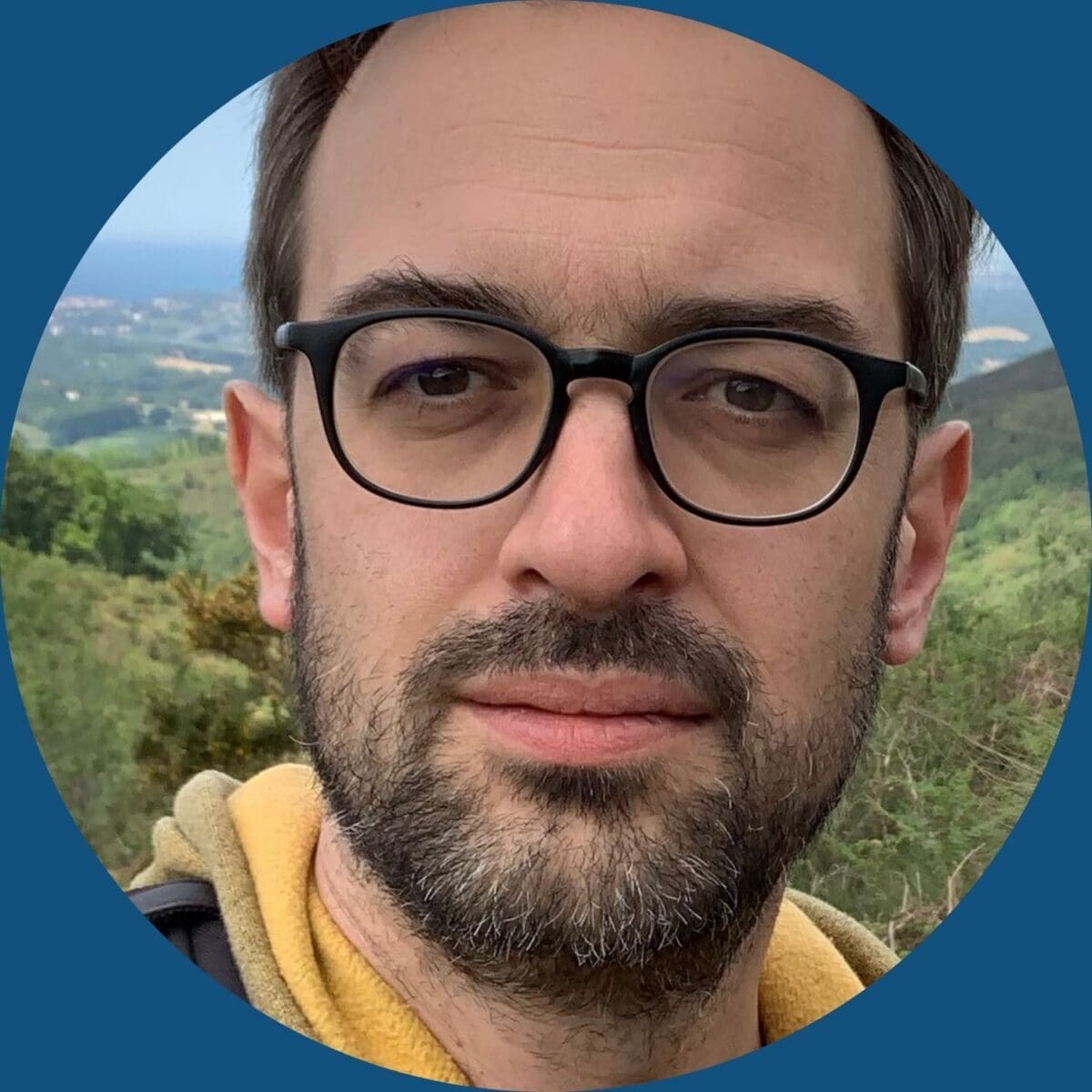
Dr Nicolas Fortané is a sociologist at INRAE (French Research Institute for Food, Agriculture and the Environment), in Paris-Dauphine University. His research focuses on the construction of the AMR public problem in agriculture, veterinary drug regulation and the transformations of farm animal veterinary medicine. He is particularly interested in veterinary practices, knowledge and professional organization and business models, how they are embedded in the socio-economic structures of livestock production systems and how they shape the definition of legitimate use of antimicrobials.
Connecting the Sea of Islands: Strengthening Collaboration and Capacity for Ecosystem-based Adaptation for Climate Resilience.
Lead Convenor:
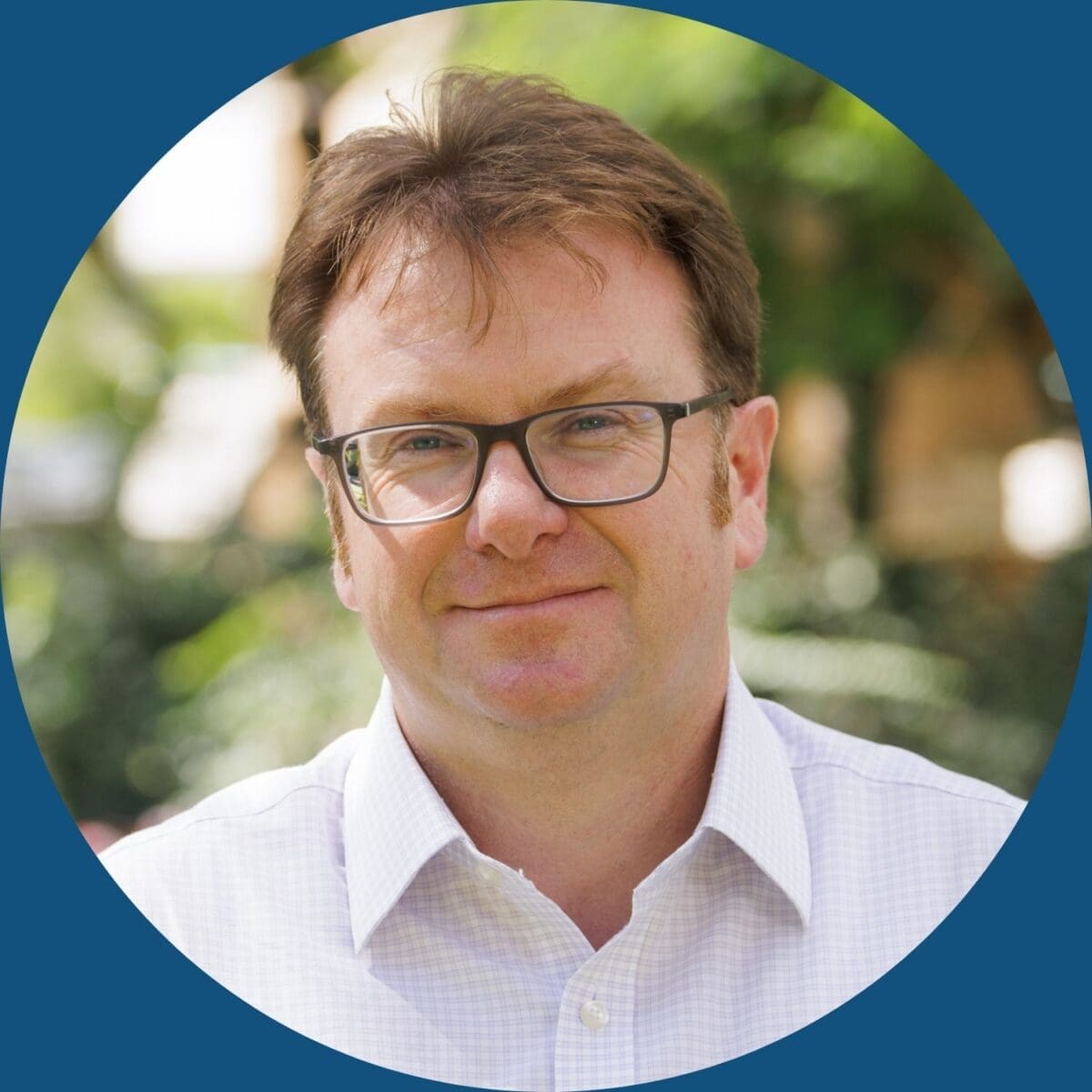
Professor Chris Fleming is a Professor of Economics and Dean (Research) for the Griffith Business School. Former roles include Director of the Griffith Institute for Tourism, Head of Research (Future Climate Transitions) for the Griffith Climate Action Beacon, and Director of Griffith University’s MBA program. As an applied micro-economist, Chris’ research interests include ecological and environmental economics, nature-based solutions to climate change, sustainable development, livelihood pathways and well-being. He is heavily involved in Pacific Island research, where he applies an economic lens to interdisciplinary projects with a sustainable development, climate change adaptation or conservation focus. Chris has published over 60 journal articles and received more than $15 million in research funding, including $2.7 million in Category 1 Australian Competitive Grants.
Co-convenors:

Carola Klöck is Associate Professor of Political Science at Sciences Po Paris. Before joining Sciences Po’s Centre for International Research (CERI) in 2018, Carola held positions at the Universities of Gothenburg, Antwerp and Göttingen. She obtained her PhD from ETH Zurich in 2013 and her habilitation (venia legend) from the University of Göttingen. Carola es the politics of climate change adaptation and global climate change negotiations with a focus on small (island) states.

Dr Edward Morgan is a Senior Research Fellow at Griffith University. He is a member of the Griffith Business School and the Climate Action Beacon, and Lead of Research Impact and Partnerships for the Griffith Institute for Human and Environmental Resilience. He is a skilled and experienced transdisciplinary researcher and facilitator focused on developing pragmatic solutions to addressing environmental, climate change and sustainable development problems through collaborative and systems-based approaches. His project experience includes policy and governance analysis and evaluation, and community-led and collaborative planning for sustainability, climate change adaptation, nature-based solutions for livelihood development, and environmental policy. He has worked in the Pacific, Africa, South America and across Australia.