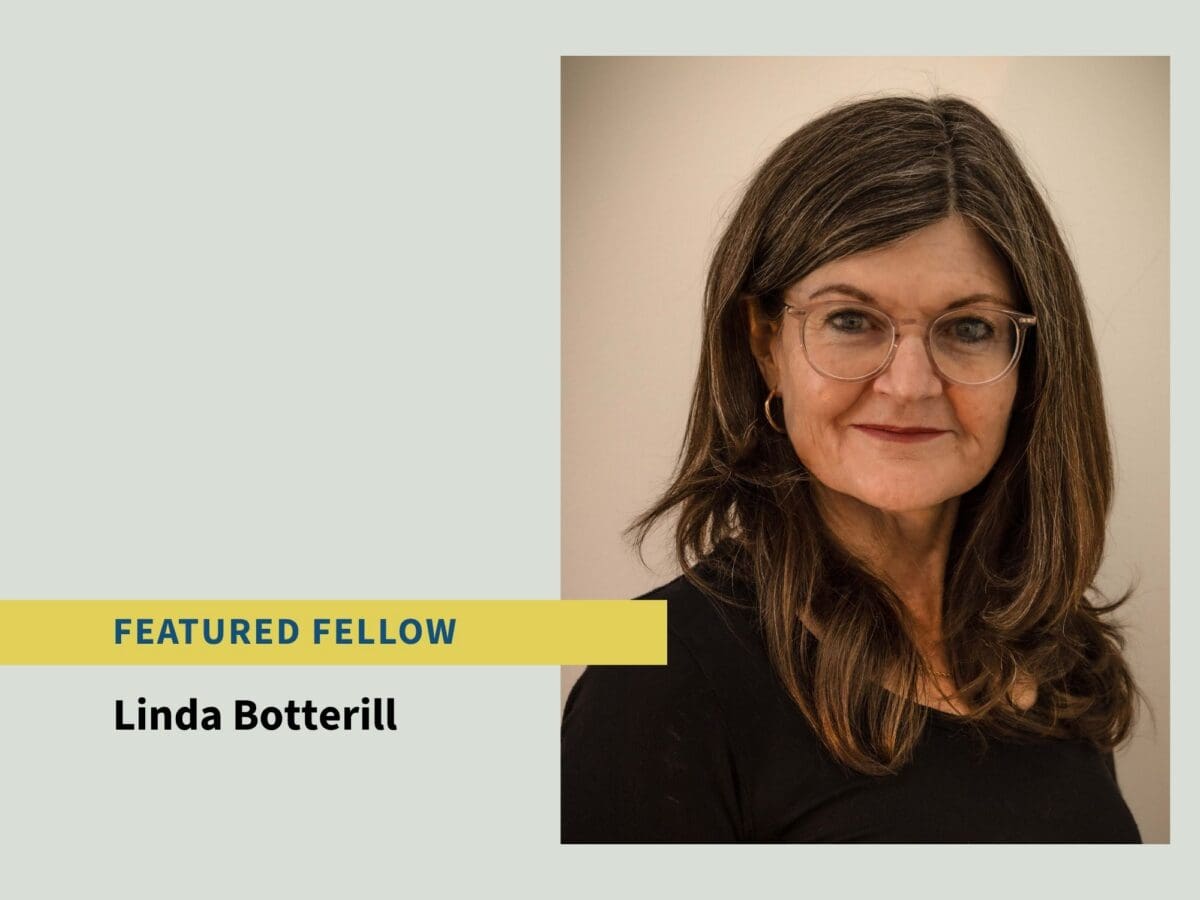
Dr Linda Botterill
Affiliation: UNSW
Discipline: Political Science
Year elected: 2015
What initially drew you to your field of study?
I spent nearly 15 years in policy practice – in the APS, Ministerial offices, and industry associations – and I wanted to research why policies often fail to achieve their goals. I was particularly interested in the failure of a program, the Farm Household Support Scheme, that I had been closely involved in developing. My PhD research led me to a career-long interest in the role of values in policy and politics.
How would you describe your work at a dinner party?
I explain that my work is focused on a different way of thinking about democracy. Rather than focusing on ideology or power, I am interested in how individuals and communities juggle conflicting values when arriving at decisions. All choices involve trade-offs between values, and different groups or individuals will arrive at different decisions based on which values they prioritise; for example, do they lean more towards security values or humanitarian values when considering policy concerning asylum seekers. My work is focused on how we navigate these values choices as a community through discussion and persuasion, focusing on what we have in common rather than what divides us.
What question or issue, in your field, keeps you awake at night?
I am very concerned about the impact of misinformation on the effective functioning of democracy. Healthy democratic processes rely on an informed citizenry and agreement on basic facts. When elites start to discredit journalists, scientists, and other experts, voters can be misled into voting against their own and their communities’ interests. Associated with this is the decline in civility in public discourse, exacerbated by the echo chambers of social media. Communities need to manage disagreements without resort to abuse and harm.
What are you most proud of?
My most recent book Juggling Values and Talking Politics: a Values-Persuasive Perspective on Democracy. This is the culmination of my last 25 years of research and brings together a range of different social science perspectives on rhetoric and communication in politics and policy through a values lens.
Where is your ‘happy’ place?
Walking my gorgeous dog on the fire trails around my home and enjoying the magnificent birdlife we see along the way (especially the yellow tailed black cockatoos).