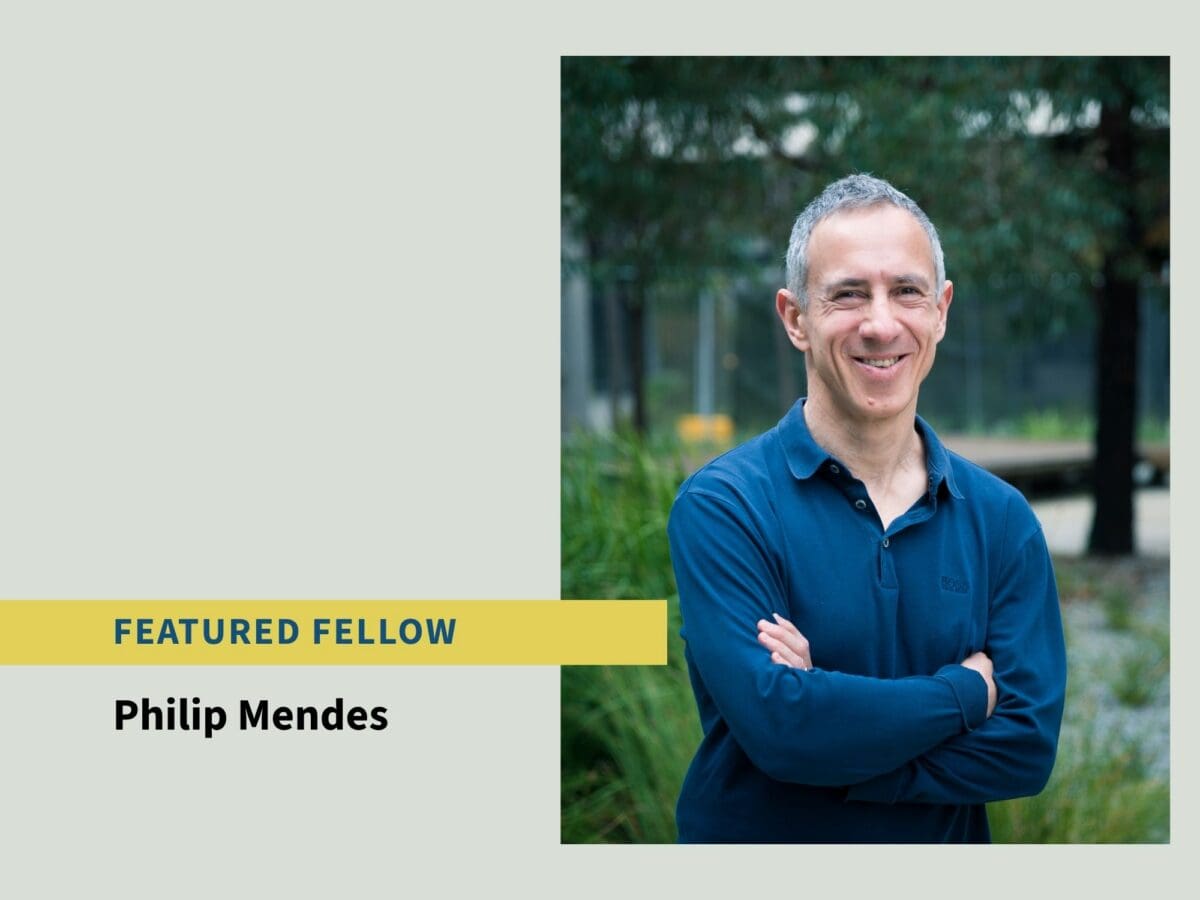
Affiliation: Monash University
Discipline: Social Work
Year elected: 2023
What initially drew you to your field of study?
Since 1999, I have specialized in examining the experiences of young adults who grew up in forms of out-of-home care (i.e. foster, kinship or residential group home care) often called care leavers or care experienced young people. My initial interest dates back to my earlier days as a young social worker employed in Victorian child protection services, firstly as a new graduate in 1987-88, and then again, later from 1992-95. We would work intensively with children and adolescents in care, to find them stable homes, assist them with education, training or employment, and facilitate positive relationships with extended family and the wider community. And then suddenly at 18 years of age or even younger, their statutory child protection order would end, all financial supports ceased, and we were instructed to no longer have any official contact with them. I often wondered what happened to them afterwards, given they faced the challenge of navigating the complex transition from childhood dependence to independent adulthood (i.e. securing housing, attaining careers and income, establishing relationships and potentially becoming parents) without the core family and extended family supports (i.e. social capital) that most other young adults in the community rely upon.
What are you most proud of?
Although I have led multiple research studies over nearly three decades presenting robust evidence for care leavers to be supported financially till at least 21 years, policy reform was glacially show. It was only as a result of the national Home Stretch advocacy campaign formed in 2016 that all eight Australian jurisdictions finally agreed by 2022 to extend supports for care leavers till 21. I played an active role in that campaign, and was extremely proud that our research findings proved influential in convincing policy makers that extending care was an effective mechanism on both social and economic grounds for enhancing care leaver outcomes.
What continues to motivate your work?
I know we can still do a lot better. Some care leavers have excelled against the odds, and become high achievers in academia, professional sport, politics, the media and other systems and institutions. We know that more flexible and needs-based transitions into adulthood enable positive outcomes. Home Stretch surveys show that the community want care leavers to be generously supported by government and non-government organisations in order to enable them to thrive and succeed.
What should your field of study be doing more of right now?
We have come a long way in the past five or so years. The introduction of extended care programs is an enormous policy reform arguably on a par with the introduction of core social security payments by the national wartime government in 1945. But just as the original Australian social security system required significant improvements and extensions over time to meet new and diverse needs, so our extended care programs will require major expansion and revamping. At the very least, we need to provide guaranteed housing for all care leavers until at least 21 years to prevent homelessness, and enhance their life chances.