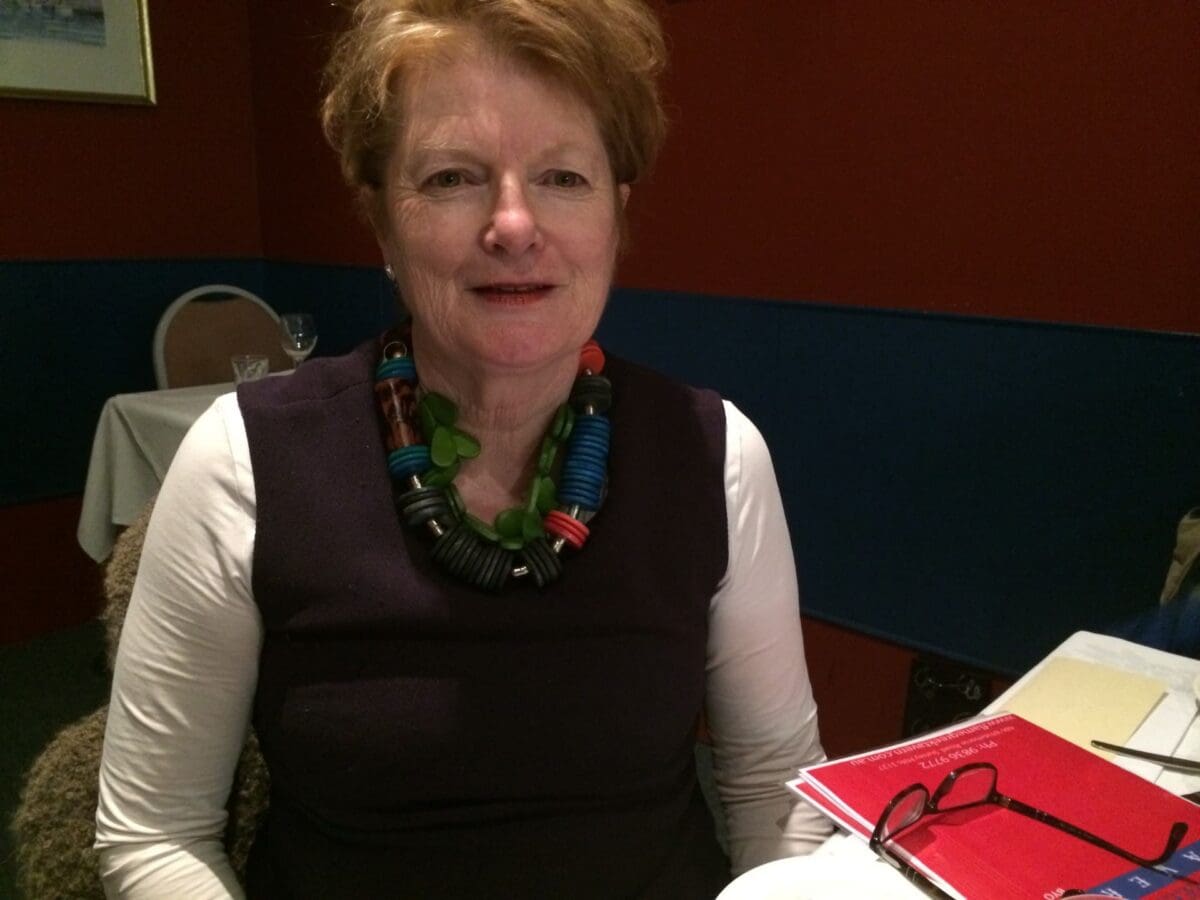
Professor Rosemary Sheehan
Affiliation: Monash University
Discipline: Social work
Year elected: 2021
What initially drew you to your field of study?
My professional qualification is as a social worker, and I was influenced by growing up in Canberra at a time when there was considerable migration, especially men arriving after working on the Snowy Mountains Hydro Electric Scheme. Housing, employment, social integration were great challenges, in a community a long way from home. My father did a lot of voluntary work to help people navigate the isolation and lack of belonging that was often felt. It was from him I got a sense of ‘doing for others’, to support people when they are vulnerable or on the margins.
What are you most proud of?
I am proud to have brought the study of child welfare and the law together, to have initiated bringing social awareness into legal decisions about child protection matters, in the Children’s Court, with research that pushed magistrate decisions to give prominence to children’s best interests as central to legal decision making about them.
What role do the social sciences play in your work?
Social science’s role is to research social problems in order to deliver knowledge and findings that inform governments and hopefully influence social policy and bring about social change. A recent example is my writing about the detrimental shift in policy on how child care is delivered. Shifting it from locally based models to corporate care, that diminish quality of care and concern for child wellbeing as the overriding aim of congregate child care.
What question or issue, in your field, keeps you awake at night?
Building on my answer above is a significant concern about governments handing over essential social services for children to for profit businesses whose concerns are more about making profits for shareholders rather than improving the welfare and life circumstances of children. Evident so starkly in the provision of child care with examples of harm or situations likely to cause harm to vulnerable children.
Tell us about a recent moment of motivation or inspiration?
I am most delighted when scholars I have mentored are acknowledged for their work, with Awards, senior appointments, prestigious grants. And that motivates me to continue contributing to debate, policy change, being present in community events.
What should your field of study be doing more of right now?
Shining a light on making a child’s best interests central to decisions that affect them. Rather than giving priority to adult wishes and political preference which significantly influence legal decision making in deciding children’s matters. Advocating with research outcomes to get the ear of government.
How would you describe your work at a dinner party?
Oh dear! I’m not sure it would be the most sought after dinner party conversation.
I would probably say my research work looks at what makes children vulnerable in their families and how might parents work better to be better able to care for their children and protect them from harm. And it is important the community cares about children on the margins. And give some examples, if the eyes of those listening haven’t glazed over!
What continues to motivate your work?
Contributing to knowledge about child wellbeing, about our community responsibilities to them, about giving them and their interests prominence when adult interests and political preferences are silencing children’s best interests.
Where is your ‘happy’ place?
Walking around the parks where I live, but mostly sitting in the light of my front room with my cat on my lap and listening to my own choice of music away from eyebrow raising family members!
What is your desert island book, song and/or movie?
Most recently I have read John Boyne’s elements series of books Water, Earth, Fire, Air, each story explores the impact of child abuse on individuals, systems they intersect with, and on redemption. They are really novellas, beautifully written, gripping.
I like films, a lot, so choose My Sweet Pepperland, a young teacher and policeman individually sent to a small community on the Kurdistan border. The gently unfolding story and stunning scenery are captivating.
All of us Strangers is a haunting story of how individuals have become alienated from community connectedness and how care for and about others is set aside in our contemporary world.
Locke features Tom Brady driving from Birmingham to London, the entire film is him talking on the ( hands free!) phone solving the problems of his employees on a building site switching to dealing with the urgency of the maternity ward in a London hospital. Riveting film: just the actor, the car, the phone.
Tina is a Samoan teacher in NZ, she brings together some unenthusiastic teenagers into a choir, the Samoan and Māori singing is heart rending.
As well as the music of Tina there’s a Scottish reel called John Griffin’s played by Scots Rory Campbell and Malcolm Stitt which I listen to over and over again, and it never fails to delight me.