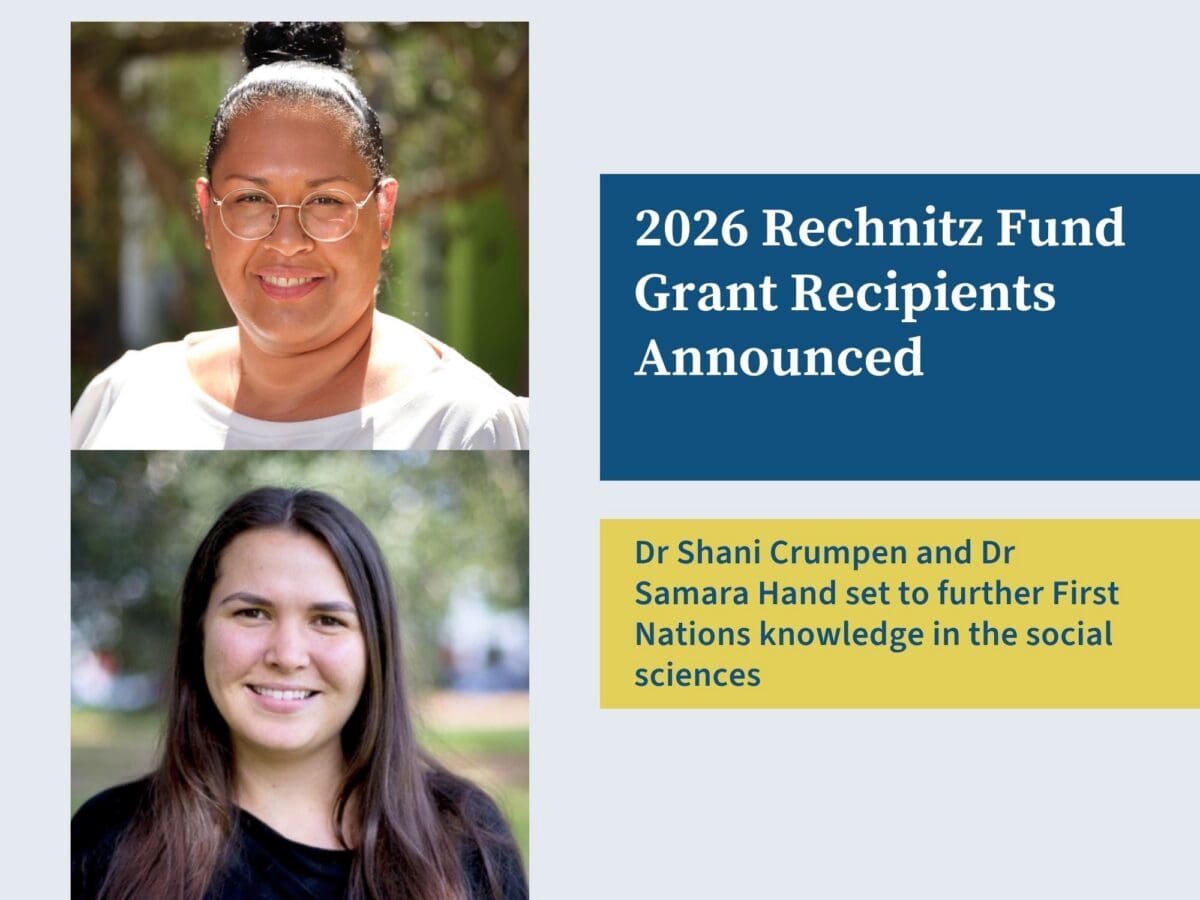
Two First Nations researchers have received grants from the Academy of the Social Sciences in Australia with support from the Wilhelm, Martha, and Otto Rechnitz Memorial Fund.
This year’s recipients are Dr Samara Hand, Worimi/Biripi woman, born on Awabakal Country and raised on Bidjigal Country in South Sydney and Dr Shani Crumpen from the Torres Strait Islands.
Dr Hand’s work focuses on community-controlled schooling and education sovereignty and Dr Crumpen will examine local storylines within Indo-Pacific trade routes. Both researchers will receive financial support and resources from the Academy of the Social Sciences in Australia to facilitate their ongoing research projects and contribute to building a stronger foundation for their future careers.
The Rechnitz Fund was established in 2022 to support Aboriginal and Torres Strait Islander researchers in the social sciences. Grants of up to $20,000 enable innovative and meaningful research projects and help to establish the next generation of Aboriginal and Torres Strait Islander scholars.
‘As we celebrate NAIDOC Week and recognise the history, culture and achievements of Aboriginal and Torres Strait Islander peoples, the Academy is proud to support the next generation of Indigenous researchers through the Rechnitz Fund grants,’ said Academy President Professor Kate Darian-Smith.
‘The Academy is committed to fostering a diverse and inclusive research environment, and these grants play an important role in advancing that commitment. They provide emerging Aboriginal and Torres Strait Islander researchers with the resources and opportunities needed to pursue innovative research and contribute to knowledge, policy and practice across a wide range of fields.’
‘We were delighted to receive a strong field of applicants for these awards, demonstrating the depth of talent and ambition among emerging Indigenous researchers across Australia.’
‘The Academy is grateful to the Estate of Dr Wilhelm Rechnitz for its generous support of this program, which helps nurture Indigenous research excellence and strengthen Australia’s research future.’
2026 Grant Recipients
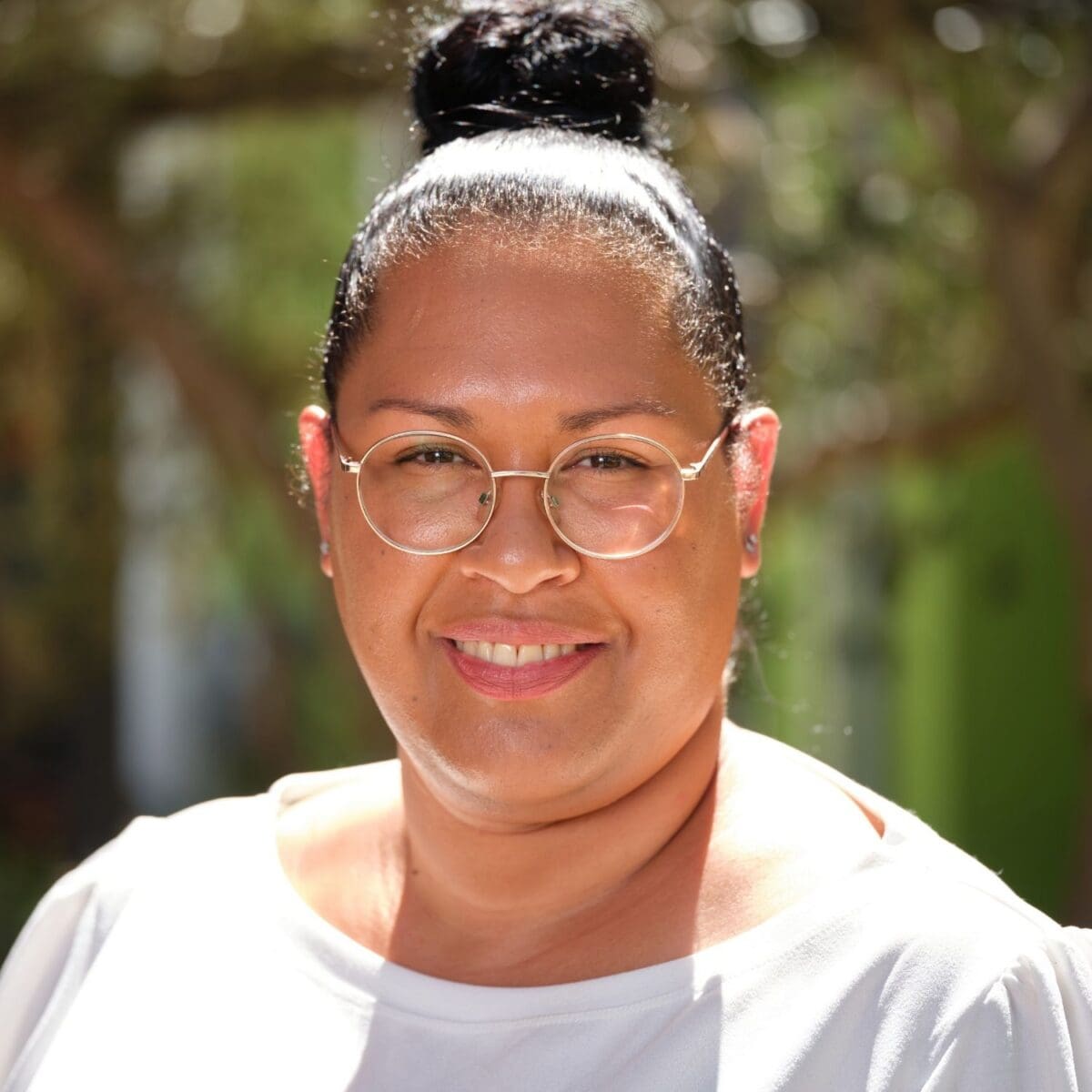
Dr Shani Crumpen, Torres Strait Islander
Mua (Moa) Island Histories: Local Storylines within Indo‑Pacific Trade Routes
Dr Shani Crumpen is a First Nations researcher specialising in community led, culturally grounded research on Indigenous archives, heritage and wellbeing. Her work blends participatory and co design approaches with Indigenous research methodologies to produce community centred outcomes, accessible scholarly outputs and strengthened local research capability.
Dr Crumpen currently holds the Peeneeyt Thanampool MDHS Indigenous Postdoctoral Fellowship at the University of Melbourne. Her practice centres on ethical governance, Indigenous data sovereignty and culturally appropriate engagement with communities and partner organisations.
Dr Crumpen’s PhD examined the impacts of Indigenous Led on Country collections on Aboriginal and Torres Strait Islander communities. She designed a qualitative research protocol grounded in Indigenous methodologies and collected data using community protocols and yarning methods. This work consolidated skills in archival, cultural heritage and collections research, qualitative analysis and academic writing.
Dr Crumpen’s Rechnitz Grant funded project is a localised exploration and writing of the history of Mua (Moa) Island, led by Torres Strait Islander researchers in partnership with Moa Island communities. Grounded on Country in Kubin and across Moa, the project takes seriously the everyday experiences, memories and knowledge of Moa Islanders while situating these within the broader Indo‑Pacific context. It will also examine Moa’s close relationships with neighbouring islands such as Badu, Mabuiag and the Inner Island group, recognising that these connections are central to Mualgal history and identity.
The project aims to demonstrate how Moa has long been interwoven with regional trade routes that connect Cape York, the Torres Strait, Papua New Guinea, Timor‑Leste, Indonesia and the Philippines. It will focus on documenting and writing Mua Island histories in ways that are owned, shaped and authorised by community. Rather than treating the Indo‑Pacific as an abstract geopolitical term, the project shows how Moa Island is, and always has been, part of a living maritime world of kinship, trade, ritual and movement that includes Badu, Mabuiag and the Inner Islands.
The primary outcome will be a community‑approved written history of Moa Island, complemented by supporting resources for community and regional use. These outputs will be grounded in yarning, oral histories and place‑based knowledge, and will be contextualised with archival research into regional and Indo‑Pacific trade routes and the movement of Torres Strait cultural materials.
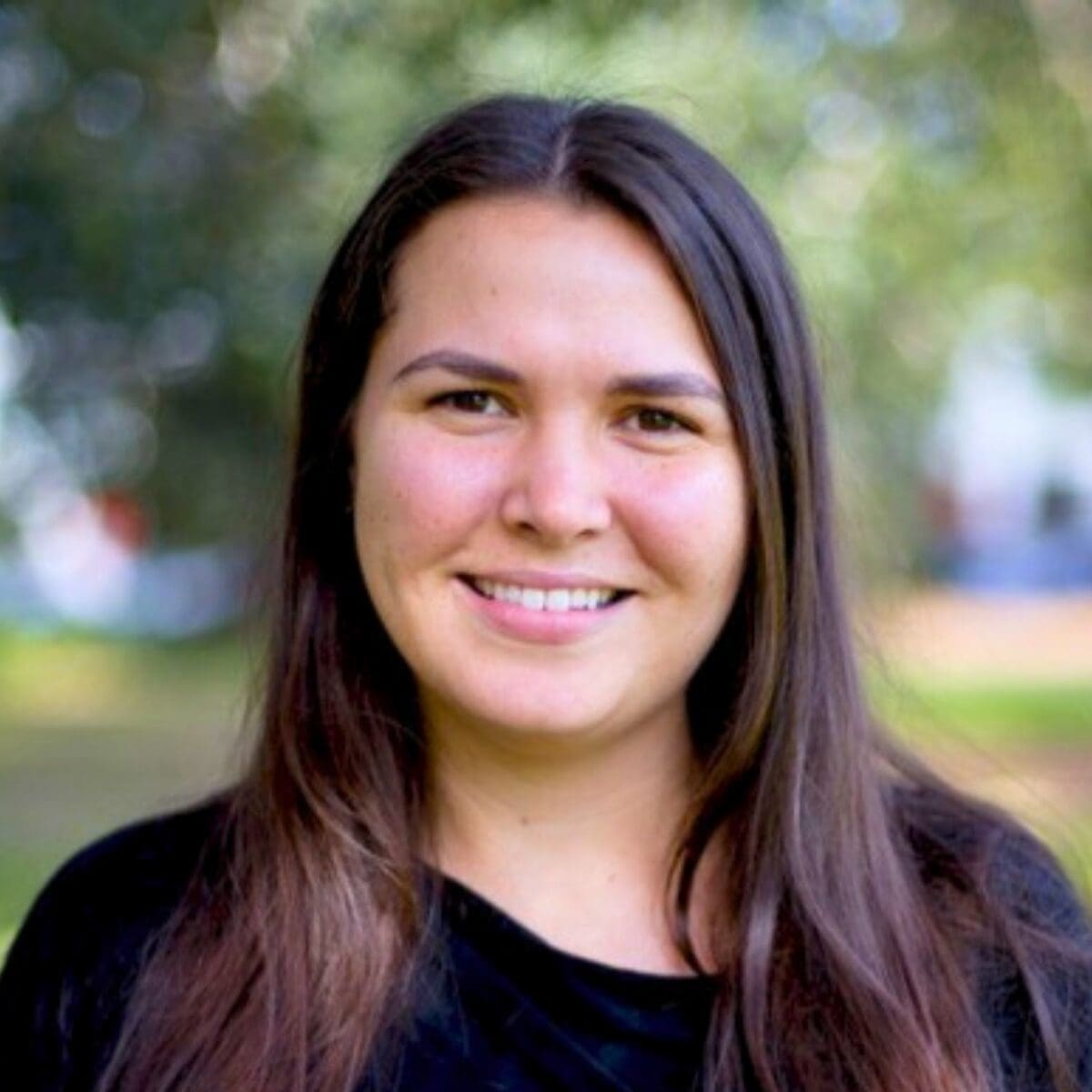
Dr Samara Hand, Worimi/Biripi
Mapping the road to education sovereignty: a scoping study of community-controlled schooling
Dr Samara Hand’s research examines how law, policy and governance shape Indigenous peoples’ educational futures. She completed a PhD in Law at UNSW in 2025 on the legacies of genocide in education, and is now a Lecturer in UNSW Law & Justice, where her teaching and research explores Indigenous rights, education, and justice.
Dr Hand is one of five co-founders of the National Indigenous Youth Education Coalition, whose mission is to mobilise Aboriginal and Torres Strait Islander young people to drive a self-determined education system for the future of our Nations. This work sprang from our shared experiences of a schooling system that was not designed for us or by us, and that continues to cause significant harm.
Between 2017 and 2019, she worked in the NSW Department of Education as a policy and project officer, overseeing the development and implementation of the Aboriginal Families as Teachers and Ninganah No More programs across early childhood education services in NSW. There she saw the transformative power of education when it was led by Indigenous people and grounded in Indigenous ways of knowing, as well as the violence of the state bureaucratic architecture and how it can limit the possibilities and solutions that Indigenous people are seeking.
Dr Hand’s PhD thesis was titled “Beyond Educational Genocide: The challenge of addressing legacies of genocide against Indigenous Peoples in education”. Distinguished Professor Larissa Behrendt AO described the project as “a vital contribution to a growing body of work that challenges foundational myths and shifts the terms of educational discourse toward justice and truth” that “articulates a powerful framework for decolonising education systems.”
Dr Hand’s Rechnitz Grant funded project is a trans Indigenous scoping study of the pathways towards education sovereignty, examining how Indigenous communities across Canada, the United States, and Aotearoa New Zealand have built and governed their own schooling systems as a practice of nation building. It responds directly to the M.K. Turner Report’s call for a First Nations education system in Australia by addressing a key gap: while the Report sets out a powerful vision for such a system, there is little practical guidance on how to implement the vision.
Centring Aboriginal and Torres Strait Islander priorities of self-determination, the study will involve yarning style interviews with leaders, educators and community members from several Indigenous education authorities and governance bodies to identify the key steps to building a self-determined education system. Guided by Indigenous theories of education sovereignty and nation building, the study will identify common patterns, critical divergences and key enabling conditions across these sites, generating a practical roadmap to help guide the implementation of the Turner Report’s vision in the Australian context.